
When the air turns crisp and the leaves have fallen, the forest floor becomes a treasure map—one dotted with tiny clues about the plants that call North Carolina home. Late fall might feel quiet, but it’s one of the best seasons for young scientists to explore the ways plants prepare for spring.
This month’s DIY outdoor learning adventure is simple, free, and perfect for families, classrooms, and anyone who loves to get outside: Seed Search & Sorting.
🌲 Step 1: Bundle Up and Head Outside
Grab a small bag, jar, or container, and step into your backyard, schoolyard, or neighborhood green space. Look closely under trees, along sidewalks, under shrubs, and in grassy patches. You might discover:
- Pinecones emptied of their seeds
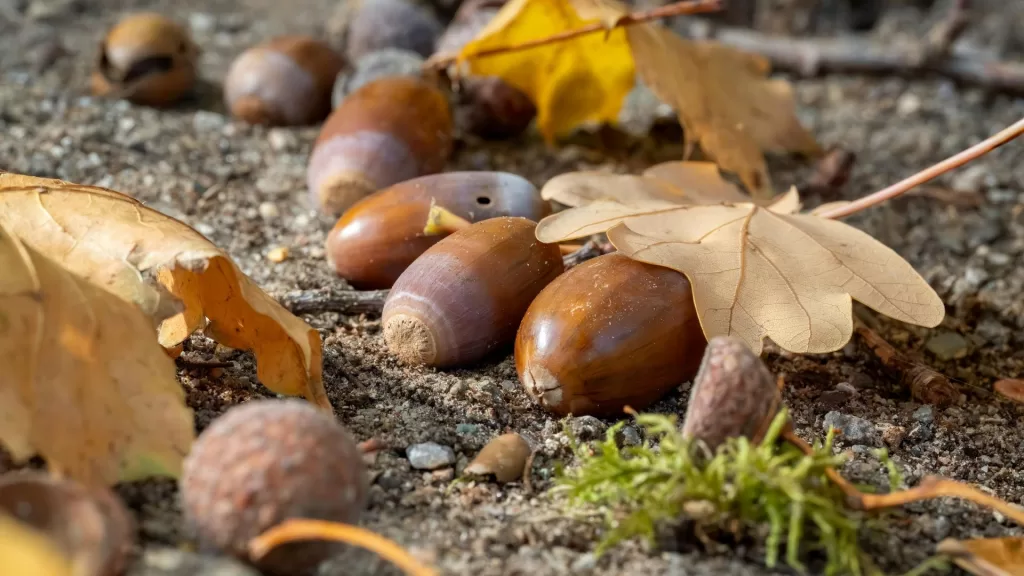
- Acorn caps and whole nuts
- Winged maple seeds (helicopters!)
- Fluffy milkweed or dandelion seeds drifting by
- Pods that have cracked open for winter
As you search, talk about what you find. How does each plant move its seeds around? Some float on the wind, others hitchhike on animal fur, and some simply drop straight to the ground. Outside truly is nature’s classroom—every seed has a story.
🏡 Step 2: Create Your Indoor Seed Sorting Station
Once your collection is complete, head indoors to examine your discoveries more closely. Use small jars, paper cups, muffin tins, or an empty egg carton to separate and display each type of seed. Encourage kids to:
- Label each seed with where it was found
- Predict what plant it might grow into
- Compare shapes and textures
- Notice patterns—Which seeds are designed to fly? Which ones are tough and heavy?
You can even set up a “mini seed museum” on a windowsill or shelf. Invite kids to be the curators, creating little fact cards about each specimen.
🧤 Safety Reminder
Not all seeds are safe to touch or taste. Remind young explorers:
- Don’t eat or intentionally smell unknown seeds
- Use gloves if possible
- Wash hands after collecting
A little caution goes a long way in keeping the adventure safe and fun.
🌱 Why This Activity Matters
Seed Search & Sorting builds observation skills, sparks curiosity, and teaches students how plants adapt to survive and spread. It’s a perfect way to bring science to life during the colder months—no classroom walls required.
Whether you’re exploring a schoolyard or a city sidewalk, nature has plenty to teach. Happy seed searching!