FIELD TRIPS & OUTREACH PROGRAMS

Get Outside and Explore!

Muddy Sneakers Educators lead experiential field trips and outreach programs that connect participants to natural spaces through hands-on learning, play, and activities in science, art, mindfulness, team building, and more.

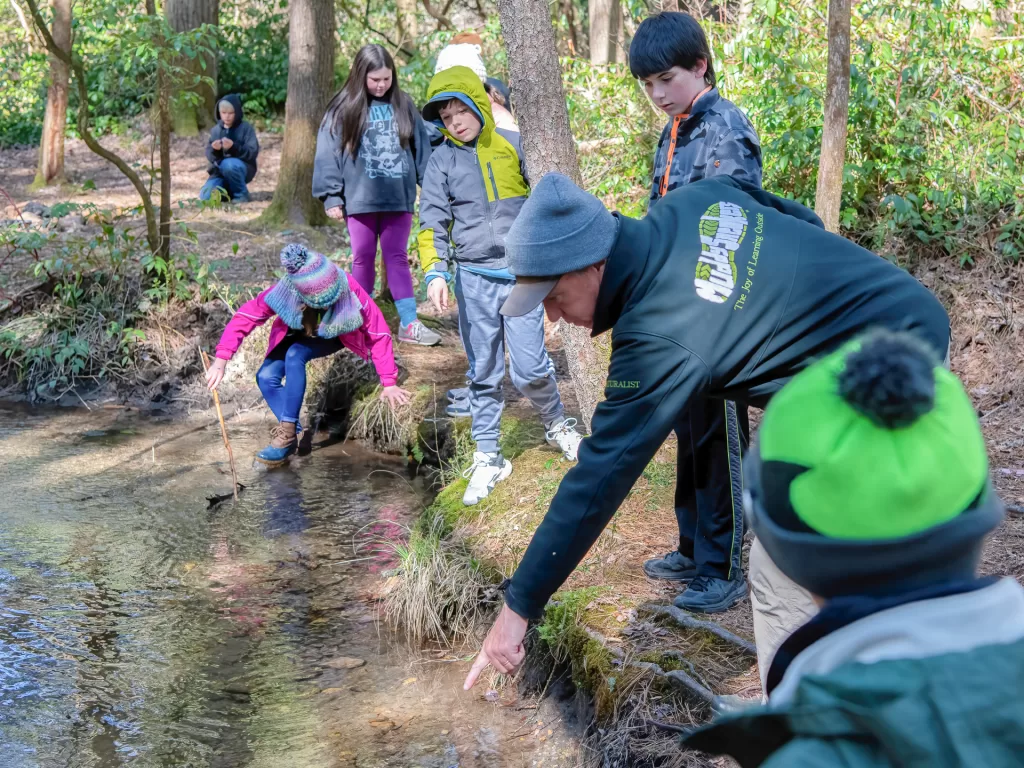
Muddy Sneakers Instructor standing on a stream bank, pointing to something in the stream as a group of fifth-grade students looks on.

A magical landscape is ours to explore,
from the mountains to the foothills,
the Piedmont to the coast.

Field Trips & Outreach Programs

Field trips and outreach programs align with the North Carolina Essential Standards for Science listed below and support NC Standard Course of Study objectives in English Language Arts (ELA), Mathematics, Arts Education, Healthful Living (Health Education & Physical Education), and Guidance.

Select a Grade Level to View Relevant Program Topics
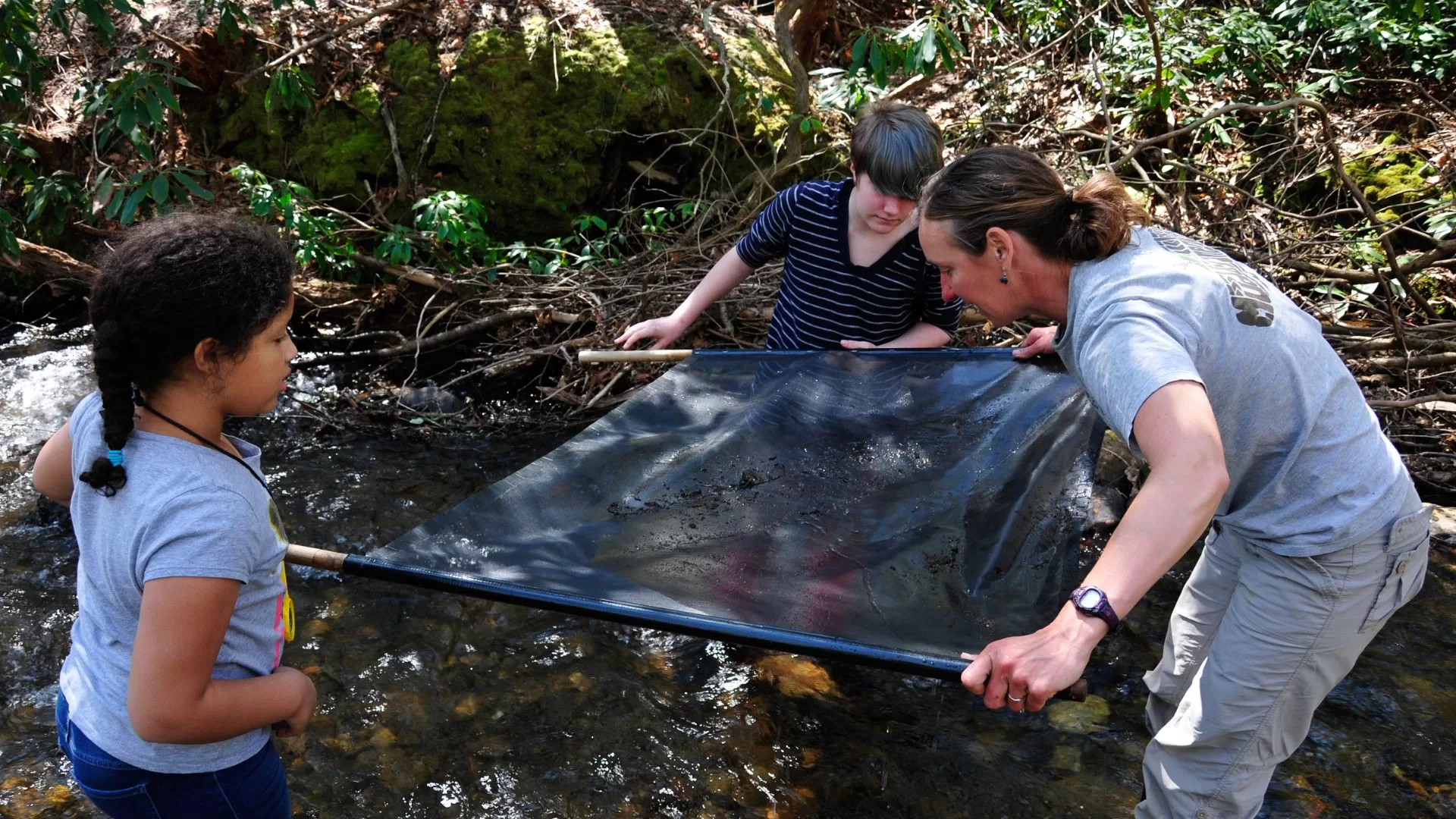
A study of local lakes and streams shows students the role aquatic ecosystems play on our planet.

Aquatic Ecosystems

GRADES: 3, 4, 5

Dive into North Carolina’s waterways and uncover the living systems that make them thrive! In this hands-on aquatic science lab, students investigate what makes aquatic ecosystems unique and interconnected through real-world fieldwork.

NC Standard Course of Study

ESS.3.2: ESS.3.2.1; ESS.4.3: ESS.4.3.1, ESS.4.3.3; LS.5.2: LS.5.2.1, LS.5.2.2, LS.5.2.3

During Hydrosphere: The Flow of Life, students explore water, currents, and quality

Ecosystem Interactions

GRADES: 8
AVAILABLE SPRING 2027

Students explore how fungi, disease, and ecological relationships shape forest ecosystems through hands-on investigation. They examine organism interactions, energy flow, and how environmental changes affect populations.

NC Standard Course of Study

COMING SOON!

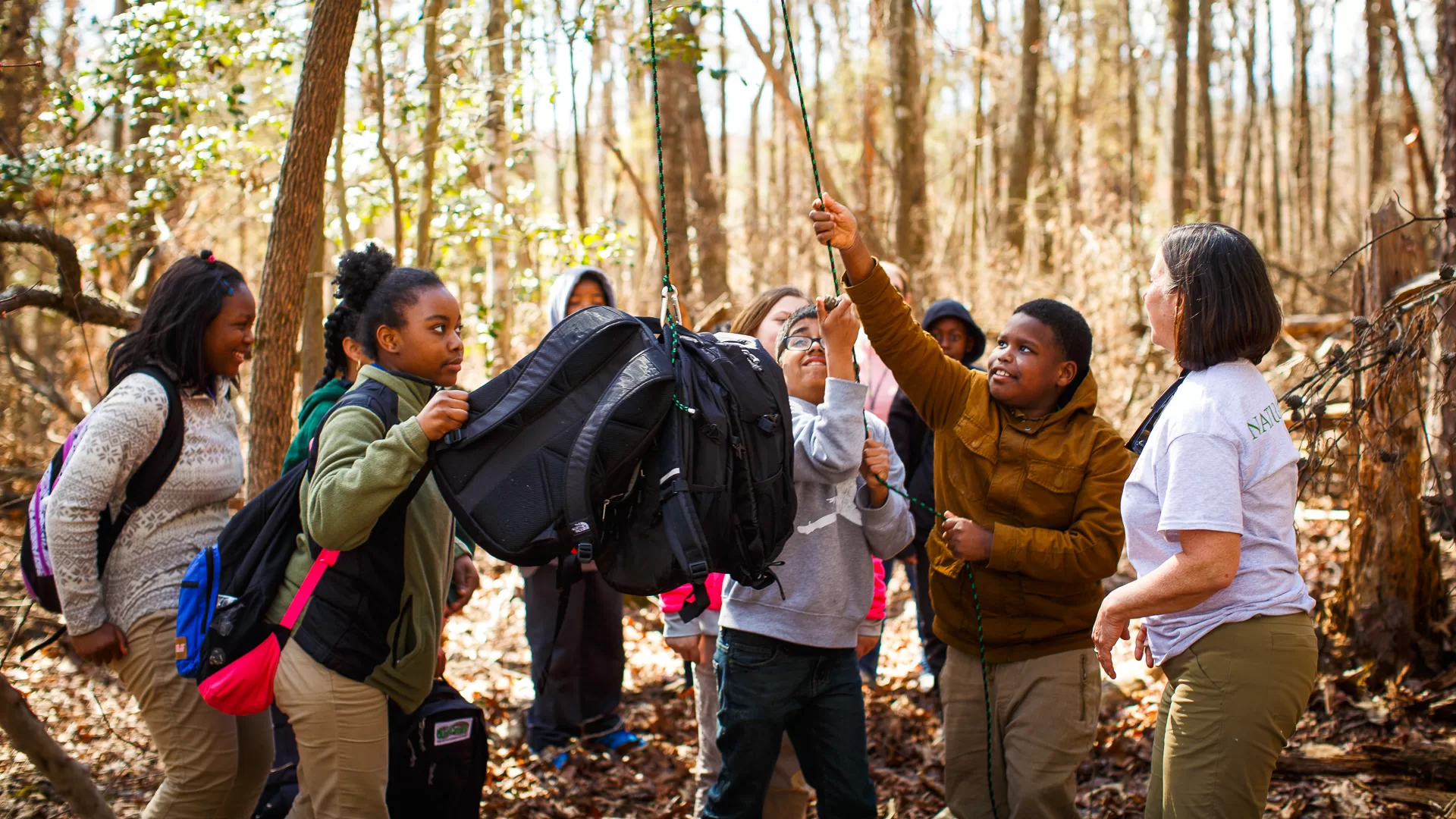
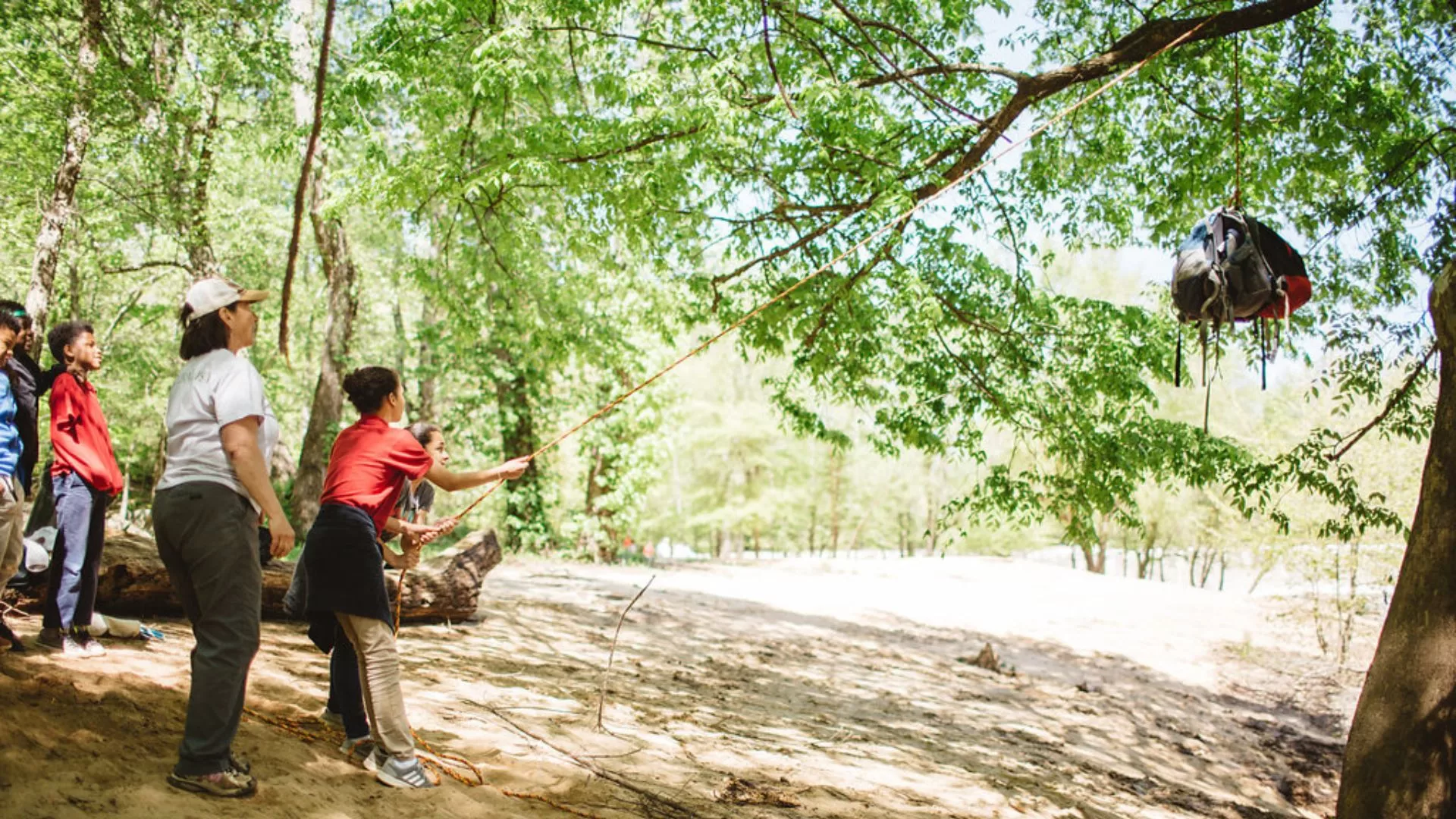
During a Forces & Motion field trip, students work together to hang a bear bag.

Forces & Motion​

GRADES: 3, 5

Explore the forces that shape our world through hands-on challenges and creative problem-solving. Using simple machines and real-world examples, participants investigate concepts such as velocity, friction, gravity, inertia, and momentum.

NC Standard Course of Study

PS.3.2: PS.3.2.1, PS.3.2.2, PS.3.2.3 PS.5.2: PS.5.2.1, PS.5.2.2

Inheritance & Adaptation

GRADES: 5

Through observation and play-based discovery, students investigate the difference between learned behaviors, inherited traits, and acquired traits. By comparing plant and animal traits, they uncover how adaptations help organisms survive and thrive.

NC Standard Course of Study

LS.5.3: LS.5.3.1, LS.5.3.2

Living Systems

GRADES: 3, 5

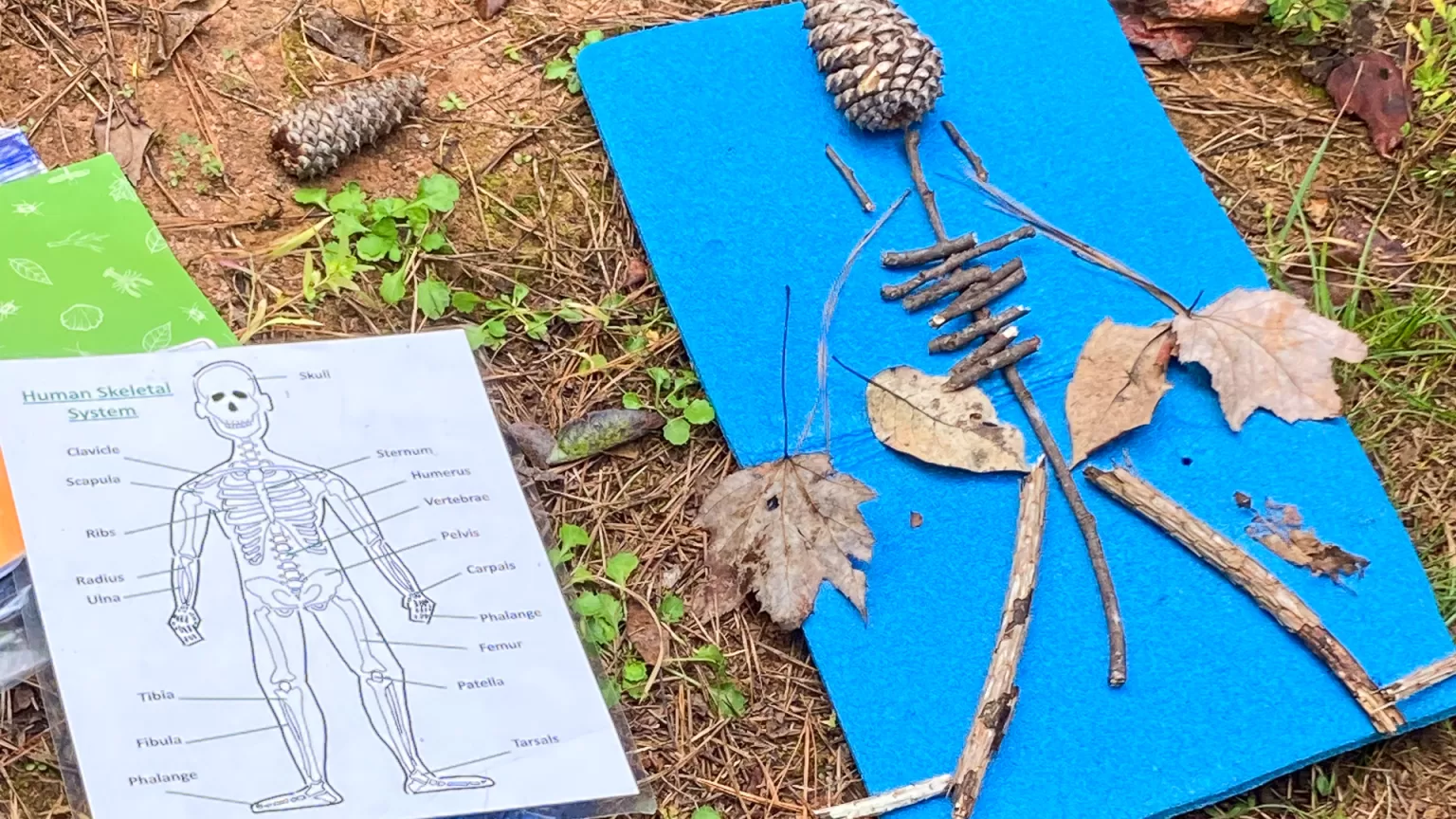
From cells to organ systems, students trace the structures and functions that make life possible. Field activities and observation show participants how the human body mirrors systems found in the natural world.

NC Standard Course of Study

LS.3.1: LS.3.1.1, LS.3.1.2 LS.5.1: LS.5.1.1, LS.5.1.2

Matter

GRADES: 3, 5

Using the outdoors as their laboratory, students investigate how matter changes through hands-on experiments. They model molecules, observe physical and chemical changes, and build and test their own insulating nest designs.

NC Standard Course of Study

PS.3.1: PS.3.1.1, PS.3.1.2, PS.3.1.3; PS.3.3: PS.3.3.2; PS.5.1: PS.5.1.1, PS.5.1.3

During Energy in Motion programs, students step into the forest to investigate how energy moves, changes, and powers the world around them.

Motion & Energy

GRADES: 7
AVAILABLE SPRING 2027

Step into the forest to investigate how energy moves and powers our world! Through hands-on experiments, outdoor challenges, and team problem-solving, students explore forces, motion, and simple machines in action.

NC Standard Course of Study

COMING SOON!

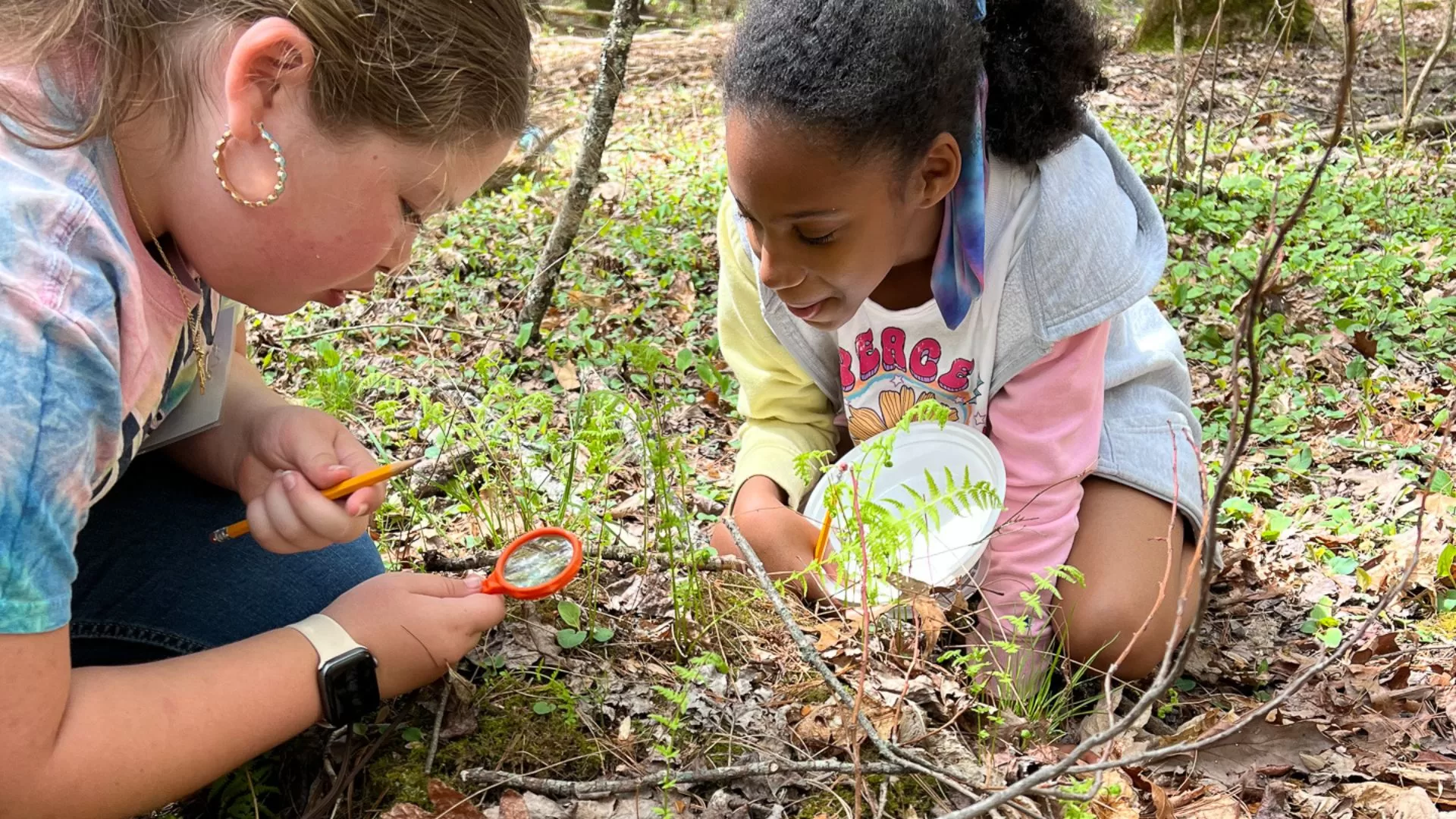
During a Forest Floor Expedition, students connect with nature through a hands-on study of life beneath their feet!

Nature Connections: Forest Floor Expedition

GRADES: 2, 3, 4, 5
Dig into the forest floor to explore decomposers, nutrient cycles, and how animals survive and adapt. Through hands-on investigations and team challenges, students uncover the interconnected systems that support the entire forest ecosystem.
During Plants & Terrestrial Ecosystems programs, students become botanists.

Plants & Ecosystems

GRADES: 6
AVAILABLE SPRING 2027

Become a botanist and explore how plants survive, grow, and shape their environments! Through games, models, and investigations, students trace how energy from the sun flows through plants and into entire ecosystems.

NC Standard Course of Study

COMING SOON!

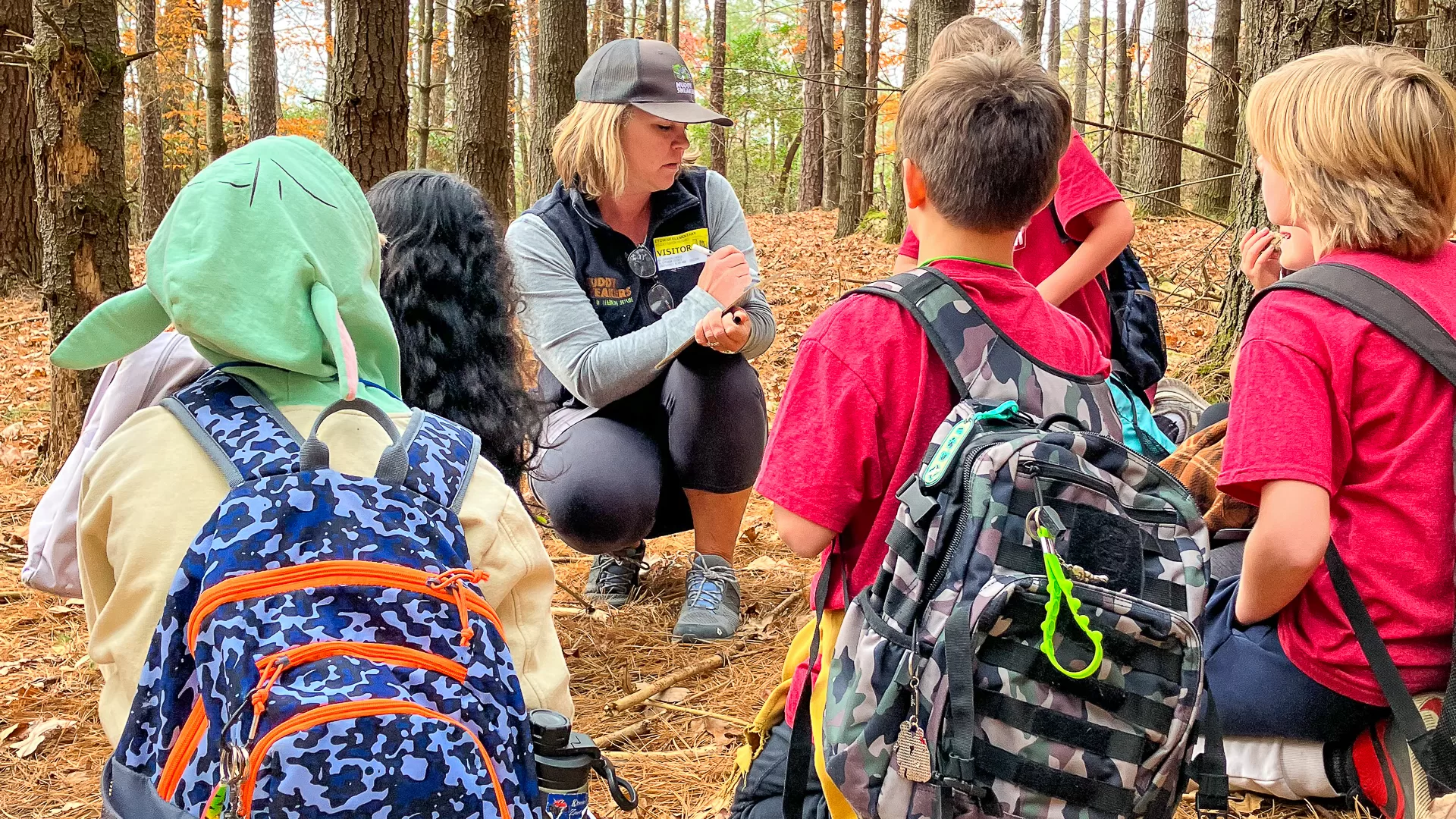
Etowah Elementary School students listen attentively to their Muddy Sneakers Instructor during a Matter expedition on their own school grounds.

School in the Woods

GRADES: 4, 5

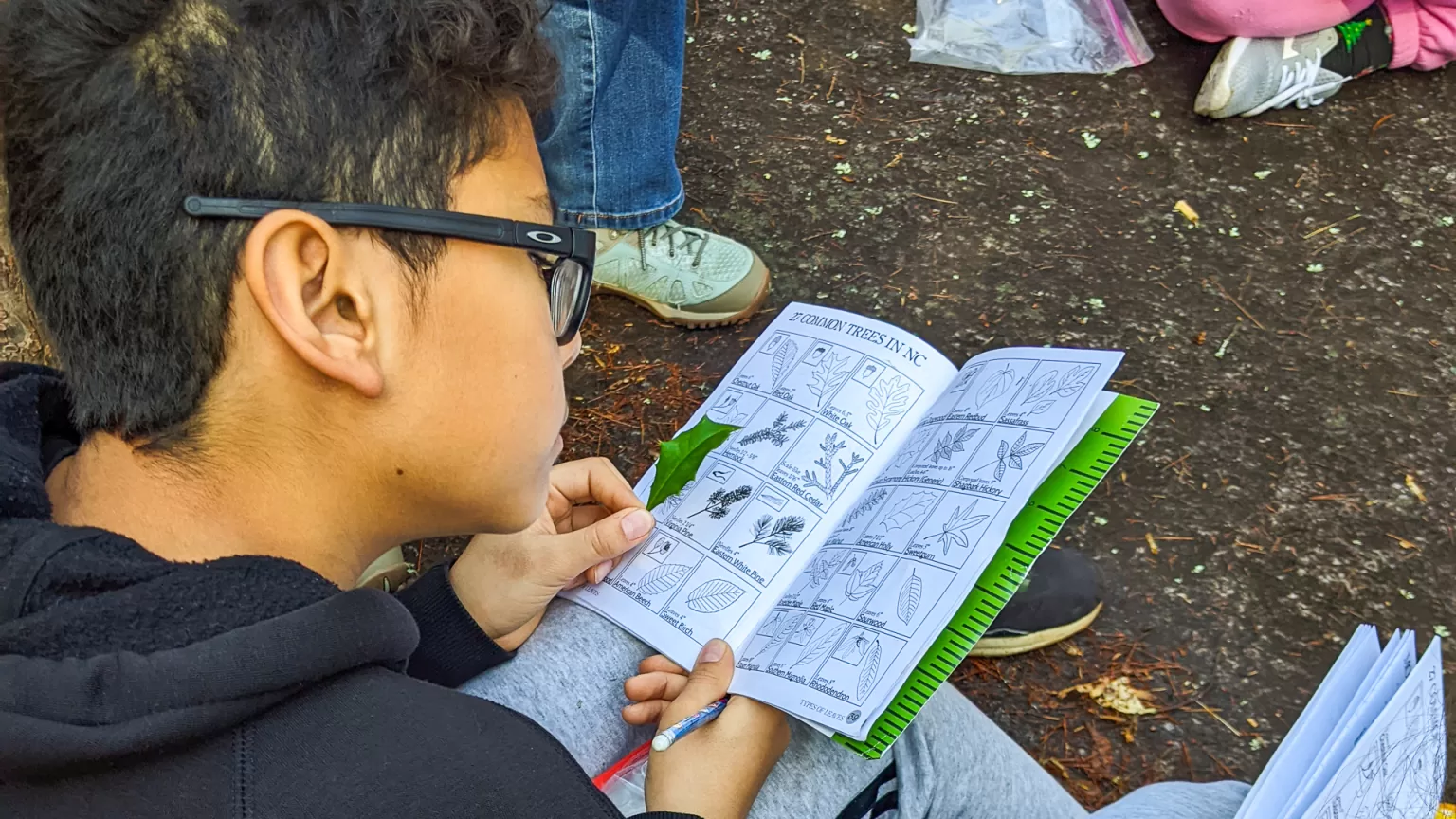
School in the Woods introduces participants to using nature as a classroom by building foundational essential outdoor safety skills. Participants learn how to respond to encounters with wildlife such as snakes and bees, and practice “Leave No Trace” principles to explore responsibly.

Terrestrial Ecosystems

GRADES: 4, 5

Students explore how organisms interact in their habitats, predicting what they’ll find before investigating an ecosystem. Through hands-on data collection, they uncover how energy flows through producers, consumers, and decomposers.

NC Standard Course of Study

ESS.4.3: ESS.4.3.2, ESS.4.3.3 LS.5.2: LS.5.2.1, LS.5.2.2, LS.5.2.3

Weather

GRADES: 5

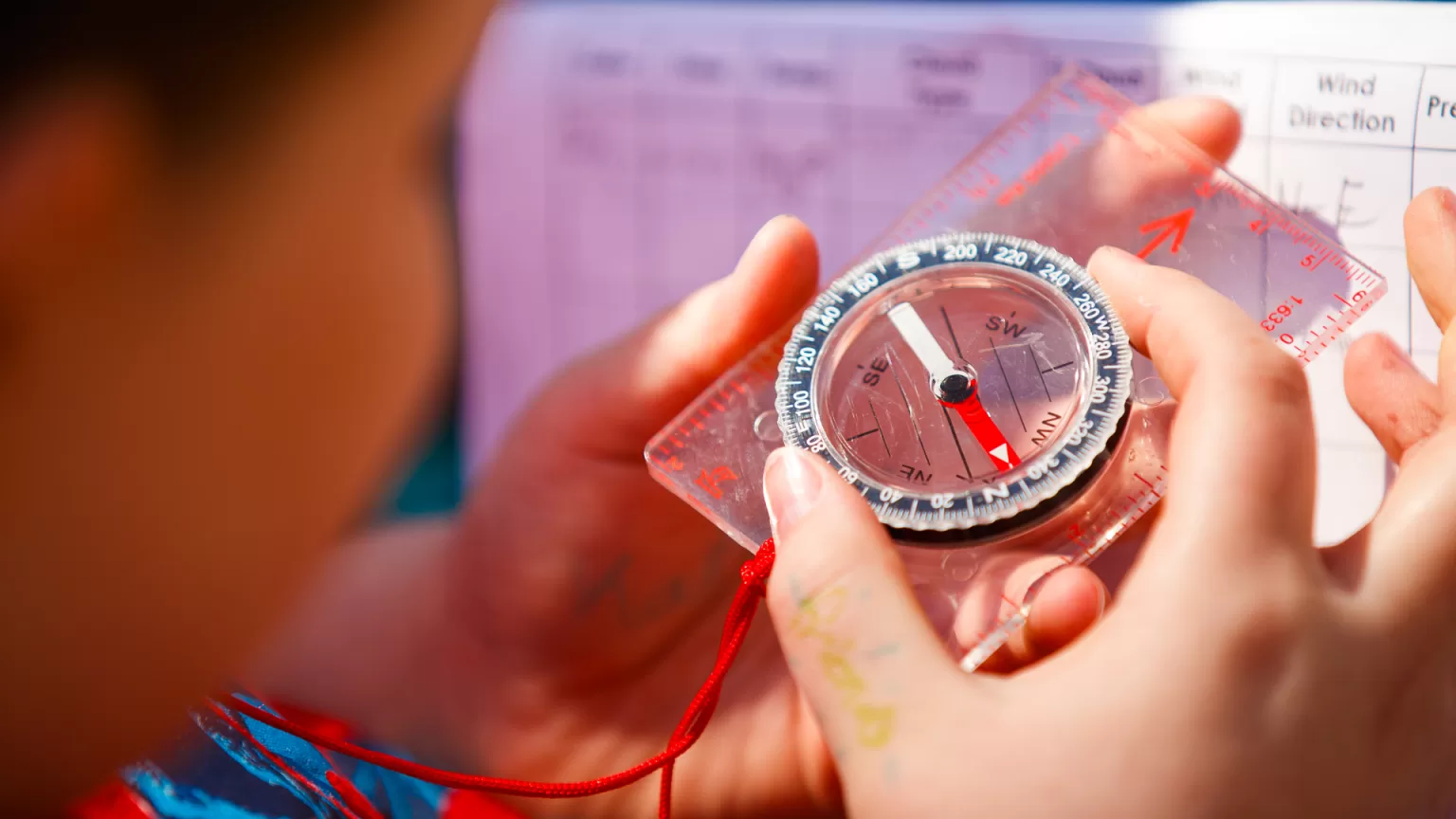
Students use scientific tools to measure temperature, wind, and other conditions as they explore how weather shapes the natural world. By collecting data and making forecasts, they uncover the forces that influence climate and ecosystems.

NC Standard Course of Study

ESS.5.1: ESS.5.1.1, ESS.5.1.2, ESS.5.1.4

COMPARE PROGRAM TYPES

Field Trips and Outreach Programs

Category Field Trips Outreach Programs
Location Select from Muddy Sneakers site partners (public parks and forests; private preserved lands) Your outdoor space (limited to groups located in our current service area)
Average Duration 5 hours 2.5 hours
Waiver Requirement All participants, including students, teachers, aides, chaperones, etc., must have a signed waiver on file No waiver required
Chaperone Requirement 1 chaperone per 15 participants (applies to 2026 – 2027 Programs) 1 chaperone per 15 participants (applies to 2026 – 2027 Programs)
Group Size Minimum: 15 participants Minimum: 15 participants
Muddy Sneakers Educator to Participant Ratio 1:15 (applies to 2026 – 2027 Programs) 1:15 (applies to 2026 – 2027 Programs)

What to Expect

No outdoor experience is necessary! Participants should be prepared for the following:

Prolonged periods of walking outdoors

Unpredictable or uncomfortable weather conditions*

Limited access to restroom facilities

Limited cell phone reception

Potential wildlife encounters