
A STEAM Activity for Elementary Students
Bees, butterflies, and birds. They’re all pollinators. We need pollinators to produce the food we eat.
Kids often know the basics.
But, how does pollination actually work?
With this Busy Bee Pollination Station activity, pollination becomes something kids can see, touch, and explore in a colorful (and maybe a little messy) way. The idea is simple. Kids make a “bee,” dip it in chalk dust, and move that “pollen” from flower to flower.
What You’ll Need
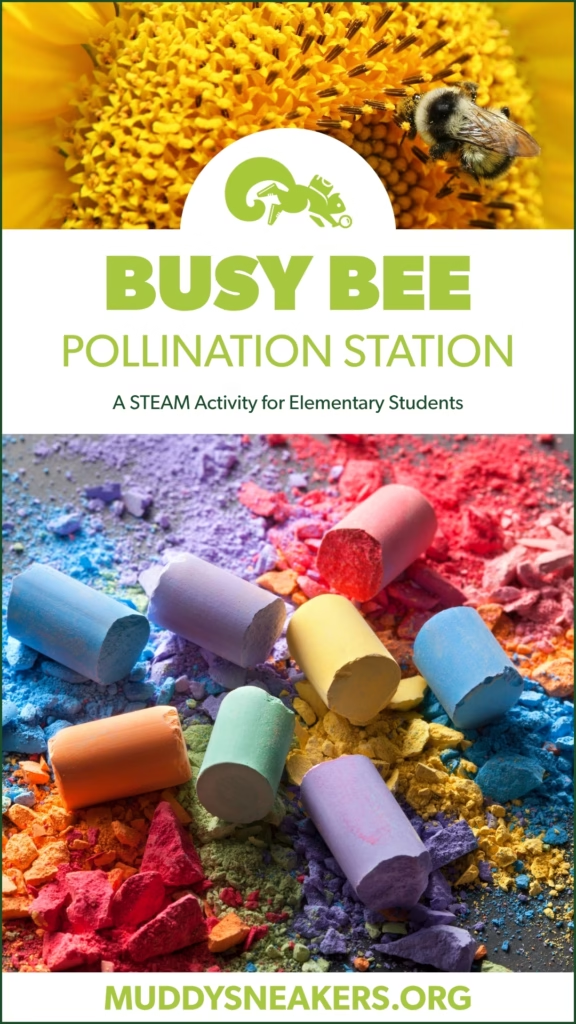
- Sidewalk chalk in a few different colors
- Paper plates
- Pom-poms or cotton balls
- Clothespins
- Glue
- Optional: googly eyes, pipe cleaners, markers, scissors, or other craft supplies for decorating
Step 1: Make Your Bee
Bees are covered with hair, which traps pollen when they land on flowers.
Glue pop-poms or cotton balls to the clothespin to represent the bee’s body.
Add optional additional body parts, like eyes, wings, or antennae. Pipe cleaner “legs” are especially effective for this activity!
The important part of this step is to make sure the bee has a textured surface that pollen will stick to when it lands on a flower.
Step 2: Make Your Flowers
Optional: Cut the paper plates into flower shapes and color or decorate them.
Each paper plate will represent a different flower. Place a different color of chalk on each paper plate. Rub or crush the chalk into powder to represent pollen.
Step 3: Let Your Bees Fly
Fly your bee to a flower and dip it into the chalk. The chalk will stick to the bee just like pollen sticks to a real bee.
Fly your bee to a different flower and gently tap it to “land.” Some of the chalk from the previous flower will transfer to the new flower, and some of the chalk from the new flower will stick to your bee.
Watch as the colors mix and transfer as bees visit different flowers!
You’ll start to notice a few things:
- The “pollen” sticks to the bee and moves with it.
- It doesn’t all come off at once when the bee lands on another flower.
- Colors mix when bees visit different flowers.
This is how pollination works!
Talk About It
A few questions you can ask to spark discussion and extend the learning:
- What happened when your bee visited more than one flower?
- Did any colors mix? Why?
- What do you think would happen if there were no bees to move pollen around?
Summary
Pollinators play a critical role in our ecosystems and in the food we eat. This activity helps kids understand and appreciate the role these tiny, but mighty helpers play!
Plus, it’s hard to forget a lesson that leaves your hands covered in a rainbow “pollen!”
Share Your Results
Let’s see your Busy Bee Pollination Station! Use #muddysneakersnc on social media to show off pollination in action at your home or school.